
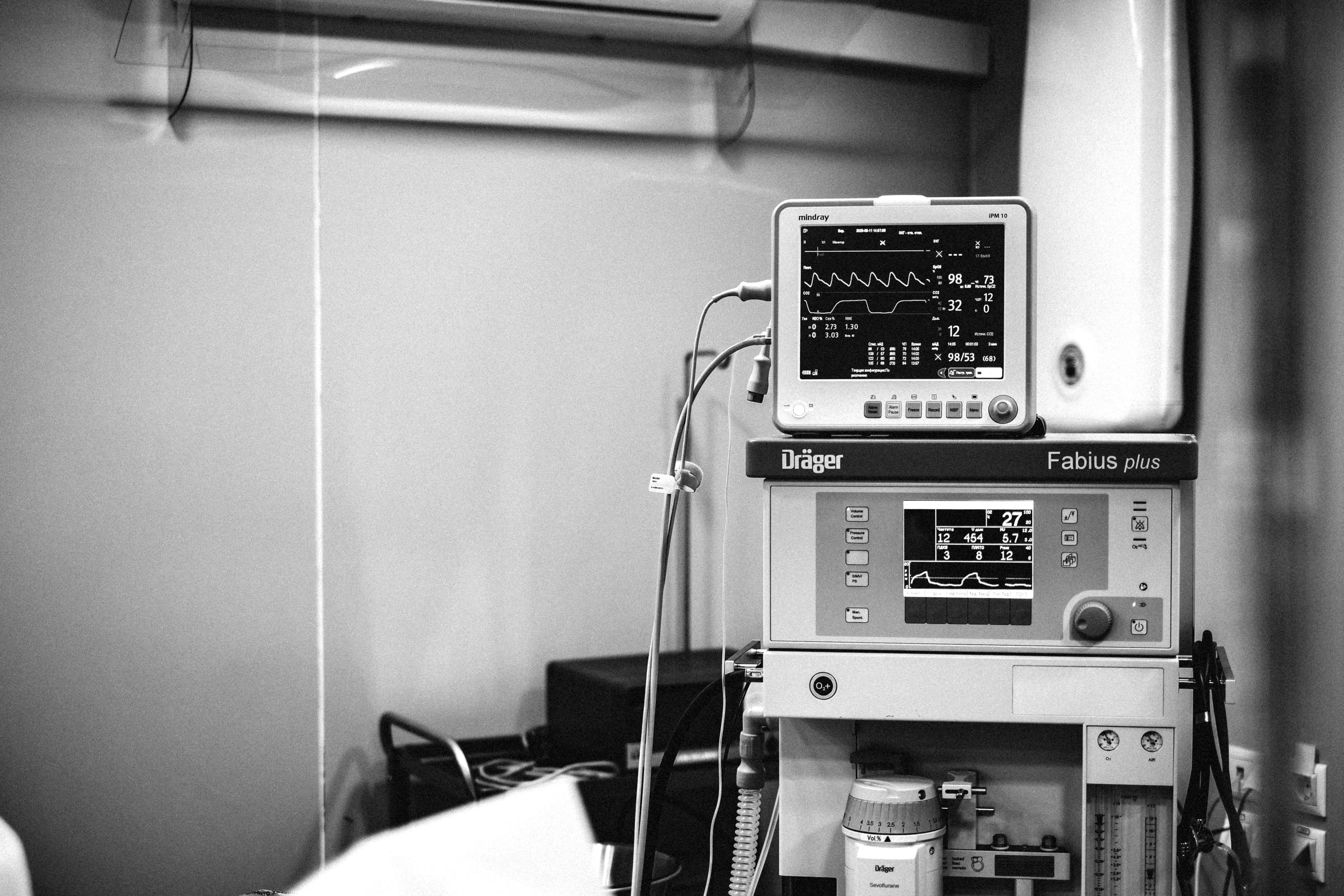
The Chinese University of Hong Kong (CUHK) is launching a pilot program for an AI-powered stool test aimed at early detection of autism spectrum disorder (ASD) in children. This novel approach utilizes artificial intelligence to analyze stool samples for biomarkers linked to autism, offering a promising path to earlier diagnosis and timely intervention that could improve long-term outcomes.
Who should care: hospital CIOs, clinical operations leaders, healthcare IT directors, compliance officers, and medical technology decision-makers.
What happened?
CUHK has introduced a pilot program providing a free AI-powered stool test designed to detect autism in children. This initiative harnesses advanced AI algorithms to analyze stool samples and identify specific biomarkers associated with autism spectrum disorder. The primary goal of the pilot is to assess both the feasibility and accuracy of this innovative diagnostic method, which has the potential to transform early autism detection. Unlike traditional diagnostic procedures that can be invasive and time-consuming, this test offers a non-invasive, child-friendly alternative by focusing on biomarkers found in stool samples. The pilot will evaluate not only the precision of the AI model in identifying ASD indicators but also its ability to streamline the diagnostic process, which is critical for initiating early interventions. Early diagnosis is widely recognized as essential for improving developmental outcomes in children with autism. If successful, this program could pave the way for broader adoption, particularly benefiting regions where access to conventional diagnostic resources is limited or delayed. Furthermore, the pilot represents a significant step toward integrating AI-driven diagnostics into routine pediatric care, potentially setting new standards for early screening practices.Why now?
This AI-powered stool test pilot emerges amid a growing momentum to incorporate artificial intelligence into healthcare diagnostics, especially over the past 18 months. There has been an increasing demand for non-invasive, accessible testing methods in pediatric healthcare, driven by the need to reduce patient discomfort and improve diagnostic efficiency. This development aligns with the broader healthcare trend of leveraging AI to enhance accuracy and speed in disease detection. Additionally, the timing reflects a global emphasis on early intervention strategies for developmental disorders like autism, which are critical for improving long-term patient outcomes and reducing healthcare burdens.So what?
CUHK’s pilot program carries significant implications for the healthcare industry, particularly in pediatric diagnostics and care delivery. By potentially providing a more accessible and less invasive tool for early autism detection, this AI-powered stool test could fundamentally change how autism is diagnosed and managed. Early detection enables timely interventions, which are crucial for improving developmental trajectories and quality of life for children with ASD. This is especially important in underserved or resource-limited areas where traditional diagnostic services may be scarce or delayed. For healthcare providers and hospital systems, adopting such innovative AI-driven diagnostic tools could enhance clinical capabilities, improve patient outcomes, and expand service offerings. It also signals a shift toward integrating AI technologies into everyday clinical workflows, necessitating updates in infrastructure, staff training, and diagnostic protocols. Embracing these advancements can position healthcare organizations at the forefront of pediatric care innovation.What this means for you:
- For hospital CIOs: Evaluate the potential for integrating AI-based diagnostics in pediatric care to enhance early detection rates and patient outcomes.
- For clinical operations leaders: Consider forming partnerships with research institutions like CUHK to pilot and implement emerging diagnostic technologies.
- For healthcare IT directors: Assess and prepare the necessary IT infrastructure to support AI diagnostic tools within existing clinical systems.
Quick Hits
- Impact / Risk: The pilot could enable earlier autism detection, significantly improving intervention strategies and developmental outcomes.
- Operational Implication: Successful adoption may require revising diagnostic protocols and providing staff training on AI technologies.
- Action This Week: Review current pediatric diagnostic capabilities and explore the integration of AI tools; update executive teams on emerging AI diagnostic innovations.
Sources
More from Health AI Daily
Recent briefings and insights from our daily briefings on diagnostics, medical imaging, healthcare admin, and policy — concise, human-edited, ai-assisted. coverage.
- NTU Launches AI Chip for Disease Biomarker Detection in Just 20 Minutes – Friday, April 17, 2026
- Keebler Health Secures $16 Million to Enhance Risk Adjustment Platform in Healthcare Sector – Thursday, April 16, 2026
- AWS Launches Amazon Bio Discovery to Streamline Drug Research and Cut Costs for Healthcare Providers – Wednesday, April 15, 2026
Explore other AI guru sites
This article was produced by Health AI Daily's AI-assisted editorial team. Reviewed for clarity and factual alignment.